
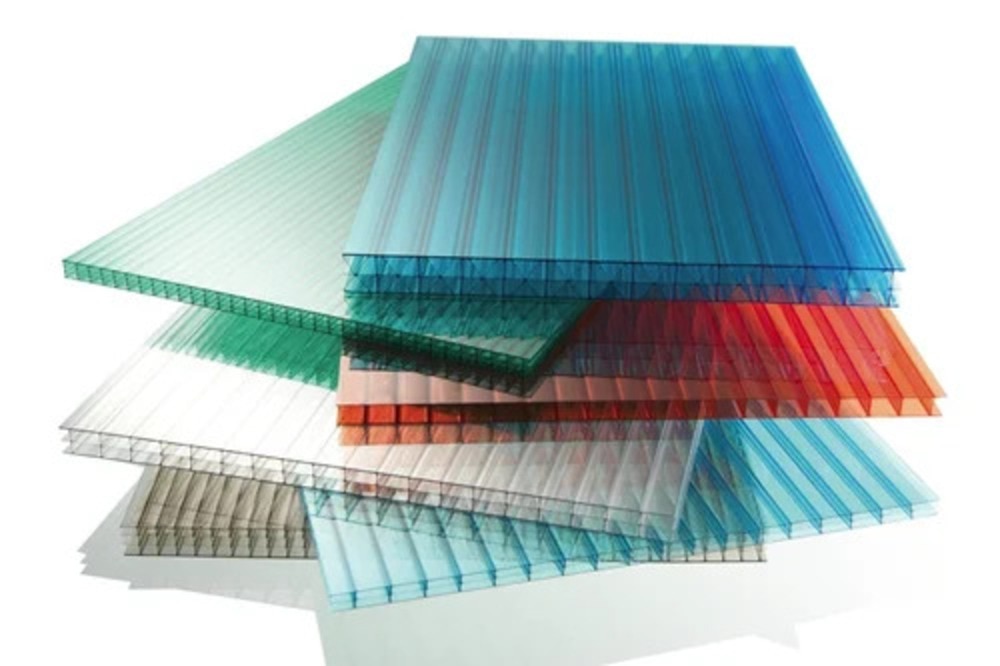
Pune’s sun, monsoon rain, dust and temperature swings make the roof structure and installation details as important as the sheet itself. By the end, you will be able to judge where polycarbonate earns its cost, choose the right light level and thickness, and identify quotations that omit critical performance and fixing information.
Key takeaways
- Use polycarbonate where daylight can reduce daytime lighting demand.
- Compare light transmission, heat gain, durability and maintenance—not sheet price alone.
- Match thickness, profile and purlin spacing to the manufacturer’s installation guide.
- Check overlaps, fasteners, washers, flashings and drainage before approving the quote.
Where polycarbonate earns its cost in Pune
Polycarbonate earns its cost in Pune where controlled daylight reduces daytime lighting demand: workshops, warehouses, factory work areas, parking bays, covered walkways, stairwells, atria and residential extensions benefit most. These are the strongest polycarbonate corrugated sheet benefits for buildings in Pune, especially when daylight reaches work areas without covering the entire roof.
| Building type | Why it works | What can disqualify it |
|---|---|---|
| Workshops and factory areas | Daylight over selected bays | Glare or radiant heat near machinery |
| Warehouses and parking bays | Low-weight daylighting over large zones | Dust, blocked drainage and difficult cleaning |
| Walkways, stairwells and atria | Daylight without full electrical lighting | Rain noise and excessive summer heat |
| Occupied or air-conditioned rooms | Useful only as a limited daylight strip | Clear sheets can increase cooling demand |
Pune’s hot summers, intense sunlight, monsoon rain, humidity, dust and airborne pollution affect comfort and maintenance over time. The polycarbonate corrugated sheet benefits in Pune disappear when a large, clear, fully exposed roof creates heat gain, glare and radiant discomfort.
Rain noise, an unsuitable fire classification and frequent cleaning can also make it wrong for offices, classrooms or homes; reject it where a non-combustible covering is required.
Choose it as a planned daylighting or lightweight roof element only when the frame, ventilation and drainage are designed for it—not as an automatic replacement for every insulated opaque roof.
How it compares with other roofing choices
Corrugated polycarbonate roofing advantages are clearest where you need daylight without the weight and handling difficulty of glass. It offers higher impact resistance than PVC sheets, low dead load and easier manual handling, but that does not make it a structural design value: the frame still needs wind-uplift and connection checks.
| Option | Daylight and heat | Practical trade-off |
|---|---|---|
| Corrugated polycarbonate | Daylight with low dead load; clear sheets increase heat gain and glare | Easier to handle than glass, but rain noise is prominent and the polymer has fire limitations |
| PVC roofing sheet | Diffused daylight at lower cost; solar heat still enters | Lower impact resistance and earlier weathering risk in intense sun |
| Fibre-cement sheet | Opaque, cooler by blocking daylight; no daylight transmission | Heavier and harder to handle; check the product’s fire classification and breakage risk |
| Metal roofing | Opaque unless paired with a daylight strip; heat and rain noise need insulation | Durable roof skin, but bare metal does not solve thermal or acoustic comfort |
| Solid polycarbonate | High impact resistance and clear, uniform daylight | Heavier and costlier than corrugated sheet; glare and cooling load remain |
| Multiwall polycarbonate | Softer light with better thermal performance from its cavities | More complex edges and detailing than a corrugated single sheet |
A daylighting strip among opaque metal sheets limits solar exposure and heat gain while supplying a controlled patch of light. A complete clear roof gives more uniform illumination but creates greater glare, radiant heat and cooling load.
Choose clear only where maximum daylight, shading and ventilation exist. Choose translucent, opal, bronze or heat-control material for softer light; choose opaque where glare and summer heat dominate. Opaque polycarbonate blocks light, not heat transfer, so it cannot replace insulation.
How to choose thickness, profile and support spacing
Choose 1 mm, 1.5 mm, 2 mm or 3 mm only after checking the manufacturer’s tested span table. Thickness affects stiffness and damage tolerance, but the allowable span also depends on the corrugation, purlin spacing, wind uplift, edge and corner zones, rainwater loads, maintenance load and frame deflection.
| Check | What to match or confirm | Why it matters |
|---|---|---|
| Profile | Tested corrugation, not a generic sheet | Span data from another profile is unsafe |
| Loading | Wind uplift, rainwater, maintenance load | Suction or ponding can govern design |
| Frame | Purlin spacing and deflection limit | Excess movement cracks sheets or opens laps |
| Product data | Exterior UV protection, light transmission, solar-control figures | “Polycarbonate” alone says little about service life or heat gain |
Greater thickness does not authorise copying span data from another corrugation. A lightweight sheet reduces handling effort and dead load; the frame and fasteners still resist wind connection forces, especially at corners and edges.
For replacement work, physically match:
- Profile depth, crest and valley geometry, effective cover width and sheet length
- End-lap and side-lap arrangement, ridge cap, barge flashing and gutter position
- Existing purlin alignment with fixing lines
- Frame capacity and fastener pattern for corner and edge uplift
A visual match is not enough if the new sheet changes the fixing line or drainage path. Confirm the product’s tested schedule before ordering.
What a Pune monsoon-ready installation must get right
A monsoon-ready installation starts with clean, supported cutting. Use a fine-tooth blade, keep the sheet fully supported, remove swarf, and avoid sharp notches that create crack starters. Never walk on unsupported corrugations; use boards spanning several purlins.
Polycarbonate expands at about 6.5 × 10⁻⁵ per °C. A 6 m sheet can move roughly 12 mm through a 30°C temperature change, so drill oversized clearance holes and use compatible sealing washers. Position fasteners for the profile; tighten the washer enough to seal, never enough to crush or dimple the crest or valley.
| Detail | Correct installation | Failure it prevents |
|---|---|---|
| Side and end laps | Size them to the manufacturer’s profile instructions and seal where specified | Wind-driven rain entering joints |
| Drainage and edges | Provide positive falls, clear gutters, ridge and perimeter flashings, closure pieces, and reinforced edge and corner fixings | Ponding, uplift and leakage at exposed zones |
| Sealants and washers | Use approved sealant and compatible washer materials | Chemical attack, failed seals and cracked holes |
Put the UV-protected face outward. Indoor-grade sheet is unsuitable for exposed roofing because sunlight can yellow, embrittle and weaken it.
Clean with neutral detergent and soft tools. Avoid abrasive brushes, dry brushing, solvents, bitumen contact and unapproved sealants; these can haze, craze or weaken the sheet. Poor detailing can defeat a waterproof sheet when Pune’s monsoon rain is driven beneath laps and flashings by wind.
A buying checklist for deciding whether the quotation is worth it
A quotation is worth considering only when it prices a tested roof system, not loose sheets. Ask for these documents and figures before comparing totals:
- Exact construction: solid corrugated polycarbonate, multiwall sheet or another polymer; thickness; profile drawing; effective cover width; and support-spacing table.
- Wind-load basis, including edge and corner uplift; UV co-extrusion statement; weathering warranty; light-transmission and solar-control data.
- Fire classification and the test report for the quoted grade, thickness and profile.
- Laps, ridge details, flashings, washers, sealants, fixing pattern, thermal-movement allowance and replacement terms.
Check the quotation for these failure points:
| Item | Acceptable evidence | Reject when |
|---|---|---|
| Profile | Drawing matches the existing roof and fixing lines | Supplier names only a brand or thickness |
| Structure | Tested span table and stated wind-load basis | Span data comes from another profile |
| Weathering | UV face, co-extrusion statement and warranty | “UV resistant” appears without documents |
| Fire | Classification and report for the proposed sheet | “Fire resistant” is marketing language |
| Scope | Complete installation components and replacement terms | Price covers sheets only |
Assess tuflite roofing sheet benefits from those documents, not the brand name. Confirm the Tuflite variant and profile match; Motilal Sheshmal and company can help compare roofing, insulation, cladding, flashings and ancillary materials from one source, but you still check the technical schedule.
Choose it when controlled daylight and low handling weight solve a real problem. Choose an insulated opaque or non-combustible system when heat, noise, fire or long-span structural demands dominate.
Related product
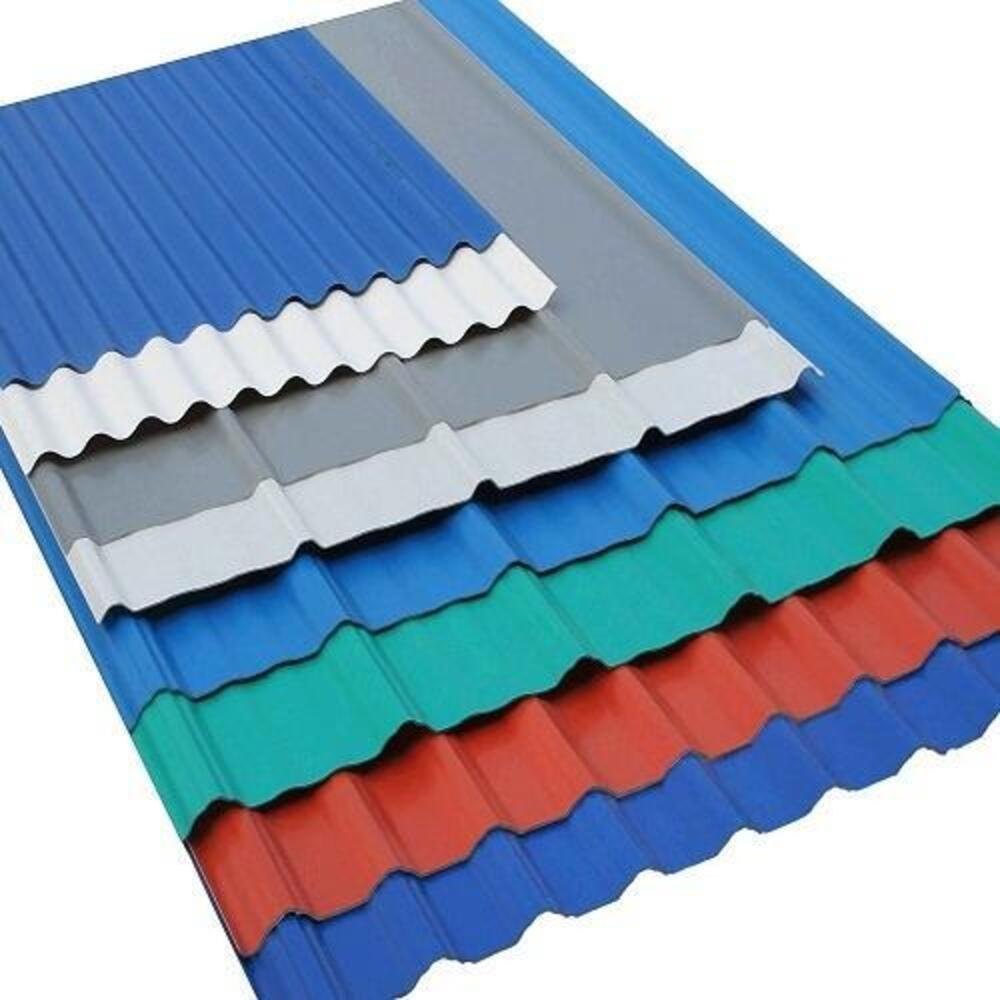 | Tuflite Polycarbonate Sheet Tuflite Polycarbonate Roofing Sheet Tuflite can be cold bent & easily fabricated & formed, making it ideal for roofing, skylights, architectural roofing & glazing. View product → |
Frequently asked questions
Where does polycarbonate corrugated sheet provide the most value in Pune?
It provides the most value in workshops, warehouses, factory work areas, parking bays, covered walkways, stairwells, atria and residential extensions where controlled daylight can reduce daytime lighting demand.
How does corrugated polycarbonate roofing compare with other roofing choices?
Compare it with metal, fibre-cement and other translucent roofing by weighing daylight, heat gain, noise, impact resistance, service life, maintenance and total installation cost—not just the purchase price.
How should you choose polycarbonate sheet thickness, profile and support spacing?
Choose the thickness and profile from the intended use, roof span, wind exposure and drainage needs, then set purlin spacing and fastener positions to the sheet manufacturer’s installation guide and a structural engineer’s design.
What must a monsoon-ready polycarbonate roof installation include?
The installation must provide adequate slope and drainage, correctly sized side and end laps, compatible fasteners with sealing washers, secure flashings, allowance for thermal movement and no blocked gutters or exposed openings.
What should you check before accepting a polycarbonate roofing quotation?
Check the sheet thickness, profile, colour and light-transmission specification; support spacing; accessories; flashings; fastener type; installation scope; warranty terms; delivery; taxes; and exclusions.